About the Book
Dream Story
Originally published as Traumnovelle in 1926, Dream Story is Arthur Schnitzler's most celebrated work — and the source material for Stanley Kubrick's final film, Eyes Wide Shut. Set in early 20th-century Vienna, it follows Fridolin and Albertine, a married couple whose single night of confessed fantasies sends them spiralling into separate nocturnal odysseys of desire and danger.
Schnitzler's background as a practising physician gave him an uncommon understanding of the subconscious mind, and Dream Story is perhaps the purest expression of that insight. The novella operates in the liminal space between waking life and dream — where desire is indistinguishable from reality, and the imagination is as powerful, and as dangerous, as any action.
This Ovid Publishing Group edition offers a fresh new English translation from the original German text, accompanied by illustrations, detailed chapter notes, a study guide, and seven scholarly essays that place the work in its historical, psychological, and cinematic contexts. Ideal for both newcomers and scholars.
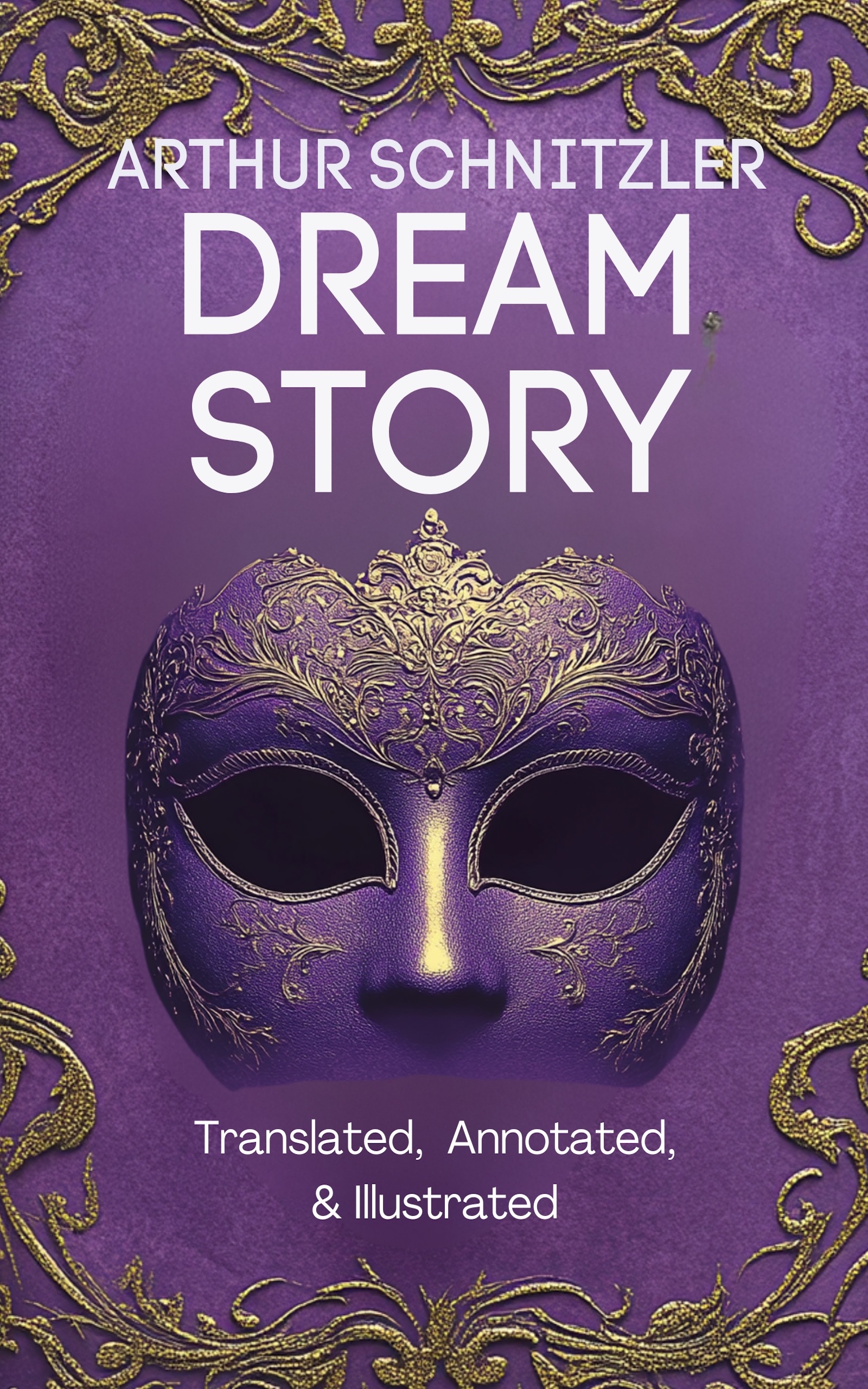
A masterpiece of psychological fiction — the novella that haunted Kubrick for decades.
Ovid Publishing Group Edition
What this edition includes
✦New English translation from the original German
✦Illustrations depicting key scenes
✦Chapter-by-chapter footnotes
✦Detailed study guide with chapter summaries
✦Ten-question test for each chapter
✦Seven scholarly essays
The Seven Scholarly Essays
IClass Analysis in Dream Story by Arthur Schnitzler
IIFrom Page to Screen: A Comparative Analysis of Schnitzler's Dream Story and Kubrick's Eyes Wide Shut
IIIFrom Assimilation to Antisemitism: Understanding Jewish Identity in Schnitzler's Works
IVArthur Schnitzler's Use of Stream of Consciousness and Internal Dialogue
VArthur Schnitzler and Sigmund Freud: A Comparative Analysis
VIDesire and Identity: Arthur Schnitzler and the Cultural Tapestry of Fin-de-Siècle Vienna
VIIControversy and Censorship Surrounding the Works of Arthur Schnitzler
About the Author
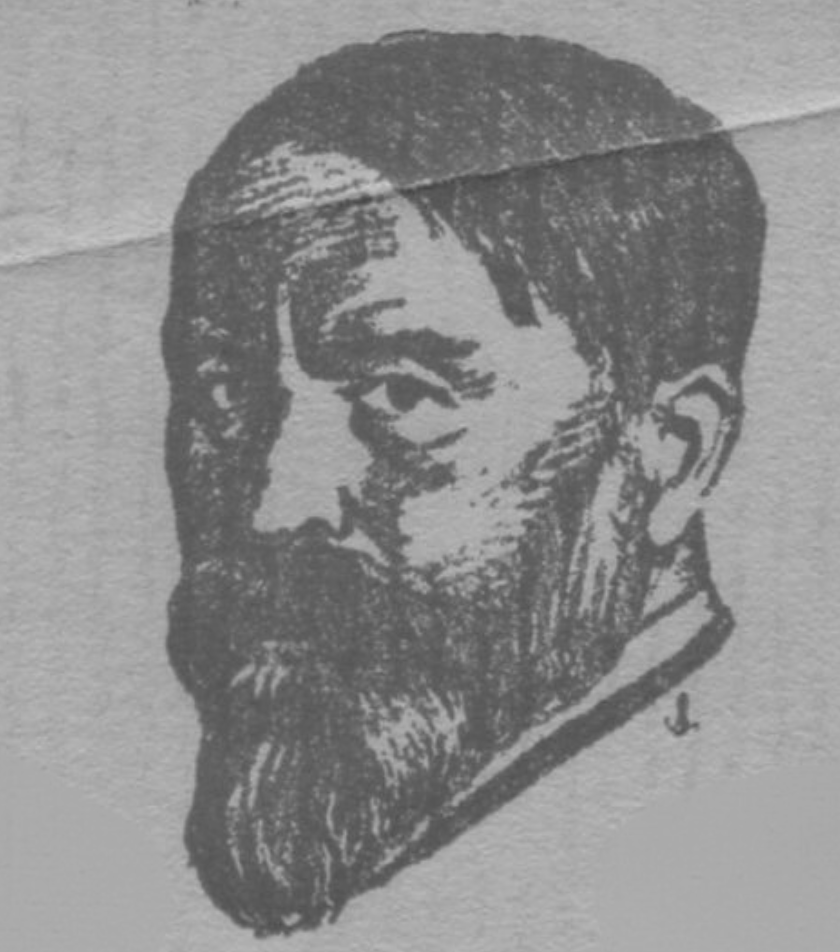
Arthur Schnitzler
Arthur Schnitzler
Arthur Schnitzler
1862 – 1931
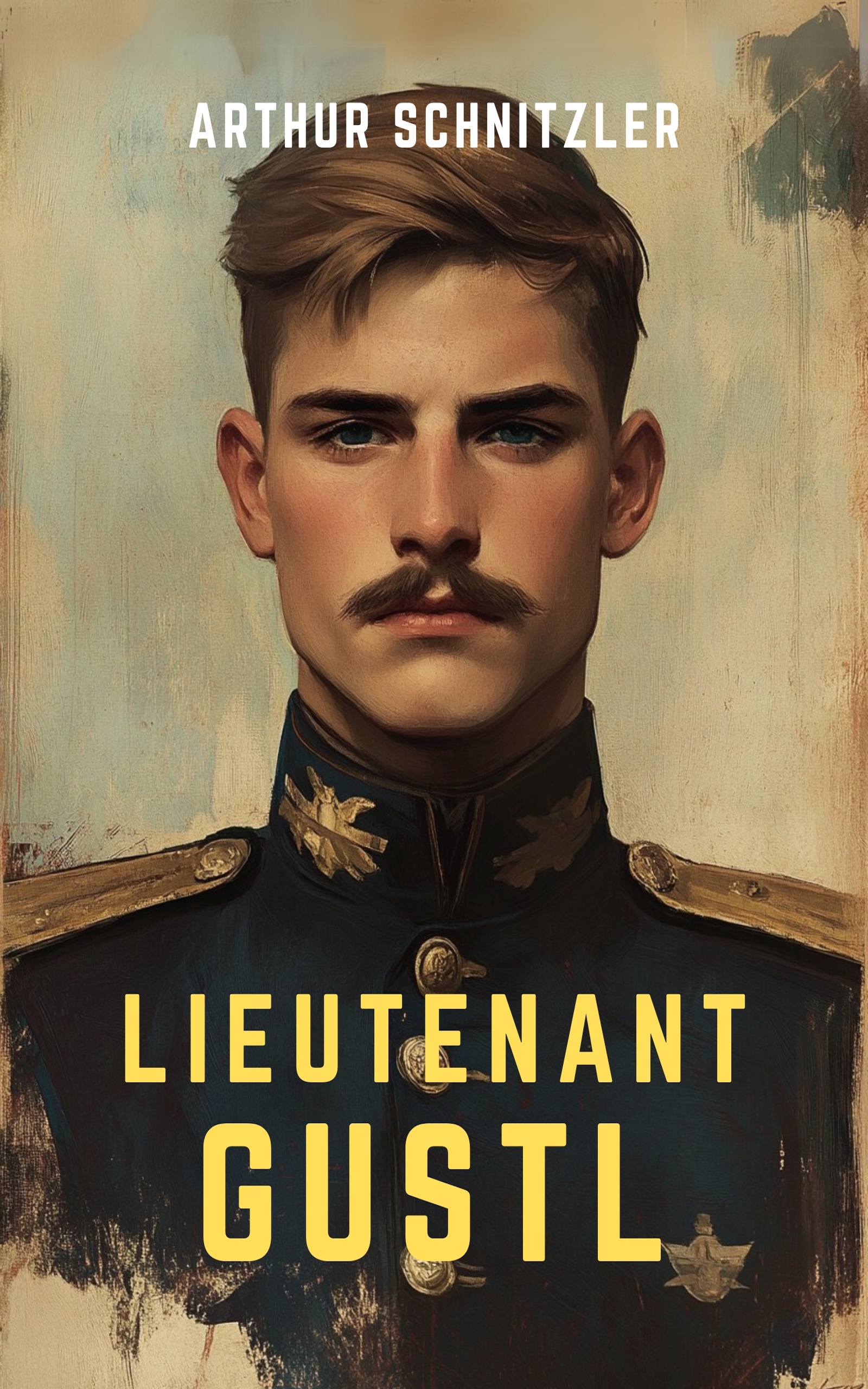
Arthur Schnitzler was an Austrian author and dramatist and one of the most prominent figures of the Vienna Modernism movement. Born in Vienna to a distinguished Jewish family, Schnitzler trained as a physician — a background that profoundly shaped his literary preoccupations with the inner life, desire, and moral complexity.
His works were consistently controversial for their time, offering frank depictions of sexuality, the unconscious, and the human psyche that challenged the rigid social norms of fin-de-siècle Austria. Schnitzler pioneered the use of the interior monologue in German-language literature, influencing writers across Europe and earning the deep admiration of Sigmund Freud, who called him a "colleague" in psychological insight.
His plays and novellas — including Reigen, Traumnovelle, and Leutnant Gustl — provoked censorship, riots, and official condemnation. They also secured his legacy as one of the most important European writers of the early 20th century. His works remain widely read and adapted today.