About the Book
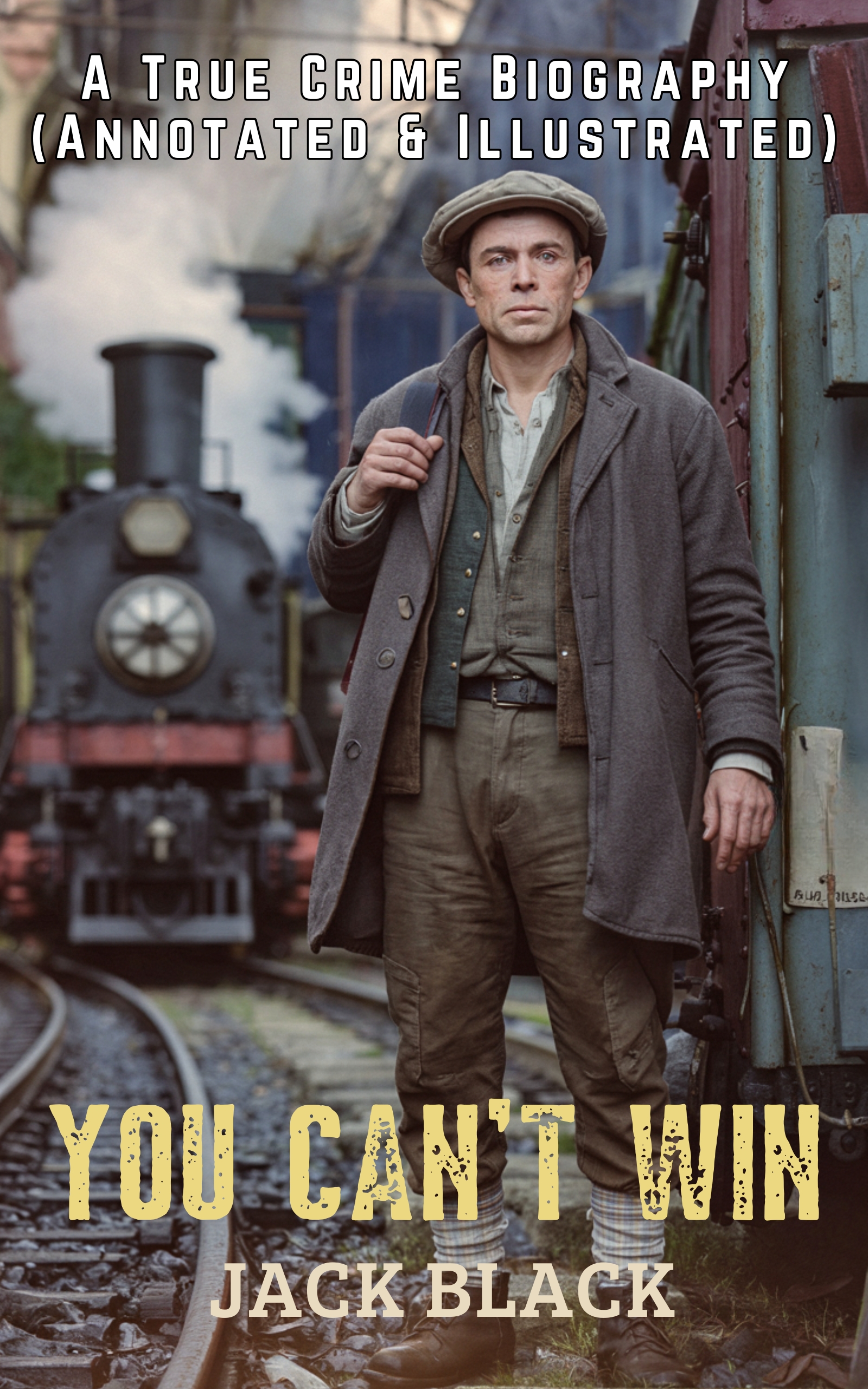
You Can't Win
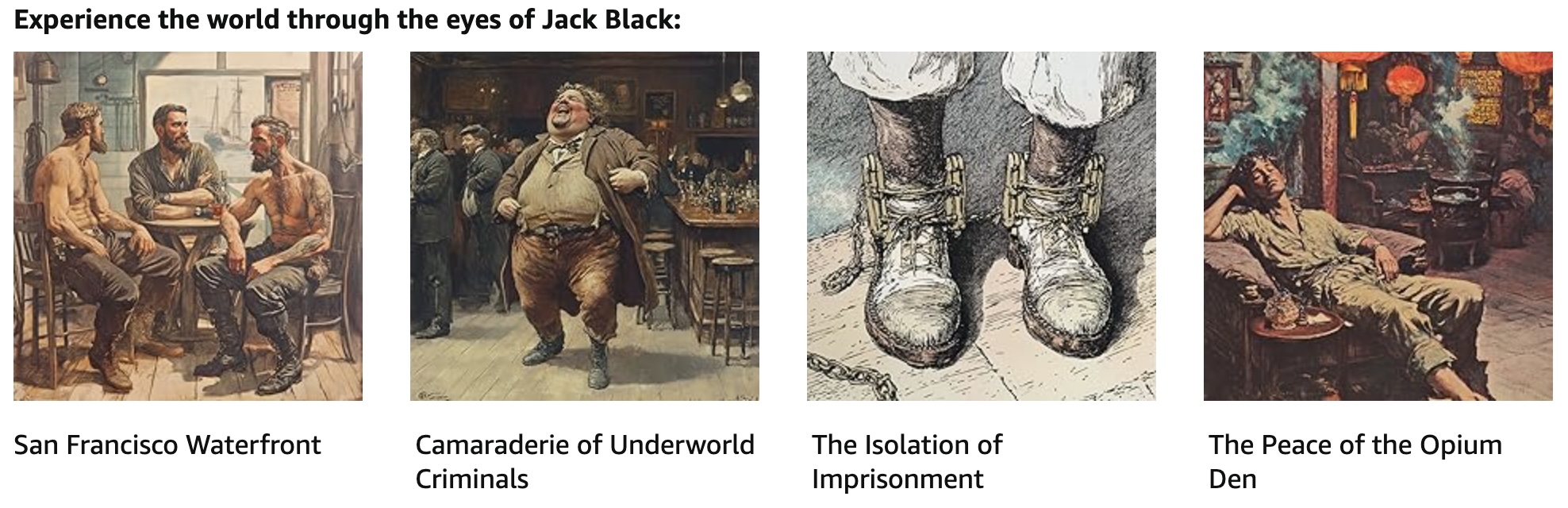
Jack Black's 1926 bestselling true-crime memoir is a raw, honest journey through the criminal underbelly of early 20th-century America — from boxcar hopping to safe-cracking, from opium dens to prison cells. Written with surprising literary skill and devastating honesty, it presents a unique historical document of a vanished underground criminal world and the code by which its members lived and died.
Black's narrative begins with his early years at a Catholic school, where he first encounters the strict authority he would later rebel against. Following the death of his mother, young Jack falls in with a seasoned criminal named "The Smiler," who becomes his mentor in the arts of burglary and survival on society's margins. What follows is an education in the criminal underground — complete with its own complex moral codes, hierarchies, and systems of mutual support.
What sets this memoir apart is Black's philosophical depth and keen social observation. He provides profound insights into human nature, society's treatment of outcasts, and the cyclical nature of crime and punishment. His descriptions of prison conditions serve as a damning indictment of the American penal system of his era, while his accounts of addiction and recovery speak to struggles that remain relevant today. William S. Burroughs cited You Can't Win as a major influence on his own writing, particularly Junky.
The book that inspired Burroughs — and documented a criminal world that no one else dared to write about honestly.
Ovid Publishing Group Edition
Ovid Publishing Group Edition
What this edition includes
✦Full text of the 1926 novel
✦Introduction by the editor
✦24 illustrations
✦Glossary of criminal terminology
✦Historical newspaper articles about Jack Black
✦Editorial notes and context
About the Author
Jack Black
Jack Black (c. 1871 – c. 1932) was an American criminal, writer, and journalist whose life story became one of the most celebrated crime memoirs of the 20th century. Little is reliably known about his early life — he was himself evasive about the details — but by his own account he spent roughly thirty years moving between burglary, vagrancy, opium addiction, and prison, before eventually reforming and finding work as a journalist in San Francisco.
His memoir, You Can't Win, published in 1926 after serialisation in a San Francisco newspaper, was an immediate bestseller. It offered an insider's portrait of a criminal underworld that no other writer had documented with such intimacy and lack of sentimentality. The book attracted the attention of literary luminaries including William S. Burroughs, who first read it as an adolescent and credited it as a formative influence on Junky and his broader vision of outsider life.
Black's fate after the publication of You Can't Win remains uncertain. He disappeared from the public record in the early 1930s, and the circumstances of his death — if and when it occurred — are unknown. He left behind one book, and that book left behind a counter-culture.