Vampire Library · Popular History · Nonfiction
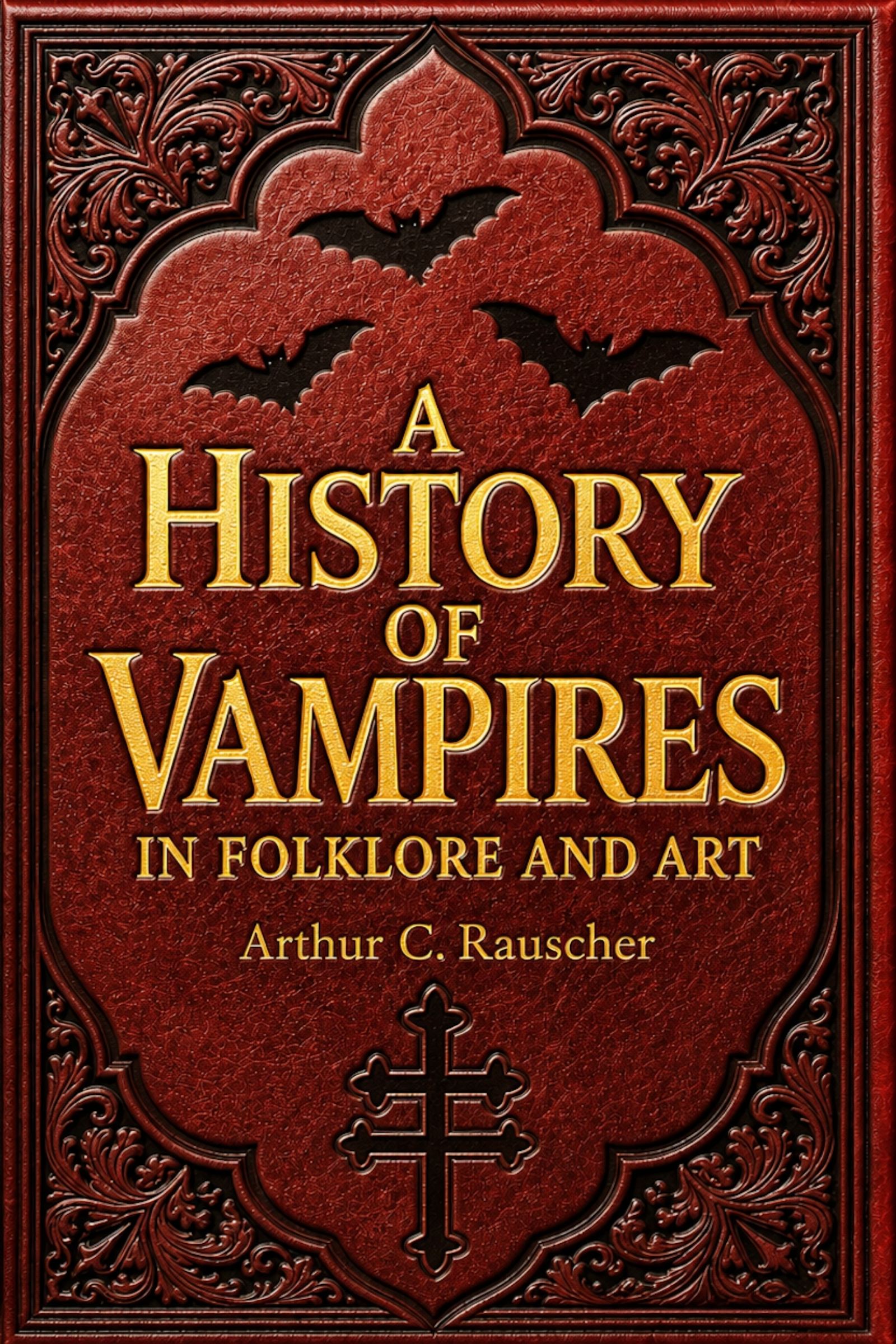
A History of Vampires
in Folklore
and Art
From bloated corpse to brooding count — the true history of the creature that refuses to stay dead.
Purchase this title
Vampire Library · Popular History · Nonfiction
From bloated corpse to brooding count — the true history of the creature that refuses to stay dead.
About the Book
Part One: The Folklore. The vampire of legend did not begin in Transylvania. It did not begin anywhere in particular, because it was not a single creature. It was an answer to a universal problem — death arriving in clusters, taking the young, moving through a village with something resembling intent, and leaving the living with no satisfactory explanation.
Across the ancient world, every culture developed its own myths. The Mesopotamians had Lamashtu. The Norse and Anglo-Saxon chroniclers recorded the draugr. The Chinese had the jiangshi. West Africa had the sasabonsam and obayifo. The peoples of the Philippines, the Caribbean, the Mediterranean, and the Americas each had their version of life-stealing monsters hard to keep in the ground. Part One examines the historical records and folklore surrounding these myths, and how they migrated from the ancient world to the new.
Part Two: The Art. The vampire emerges from the graveyards of ancient villages and enters popular culture via art and literature as a different creature. Writers and filmmakers sanitized these ancient beings, dressing them in suits and capes, giving them aristocratic manners and immortal weariness — then put them to work as mirrors for whatever a given era feared or desired.
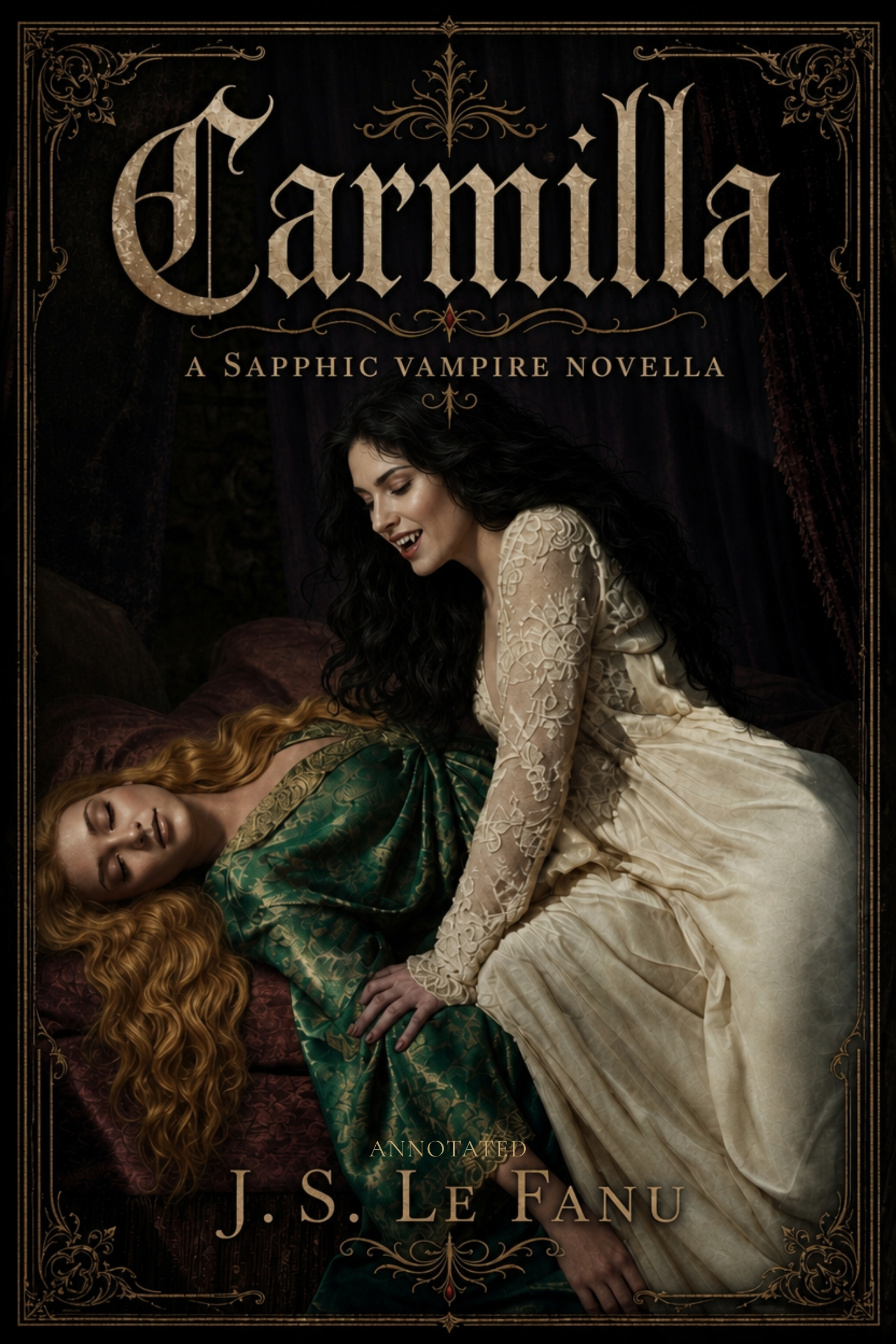
Follow the vampire across two centuries of art: the Romantic poets, who found in it the personification of seduction and predatory desire; the Victorian penny dreadfuls and the lesbian Gothic of Carmilla; the theatrical invention that gave Dracula his opera cape; the silent cinema of Nosferatu; the Hammer horror films; the blaxploitation cycle launched by Blacula in 1972; the 1980s comedies; the brooding romantic heroes of Interview with the Vampire and Buffy the Vampire Slayer; the comics page, the video game, and the era of sparkling teenage vampires.
The most durable monster in the Western imagination — from village exhumations to the box office.
A History of Vampires in Folklore and Art
This Edition
Part of the Vampire Library
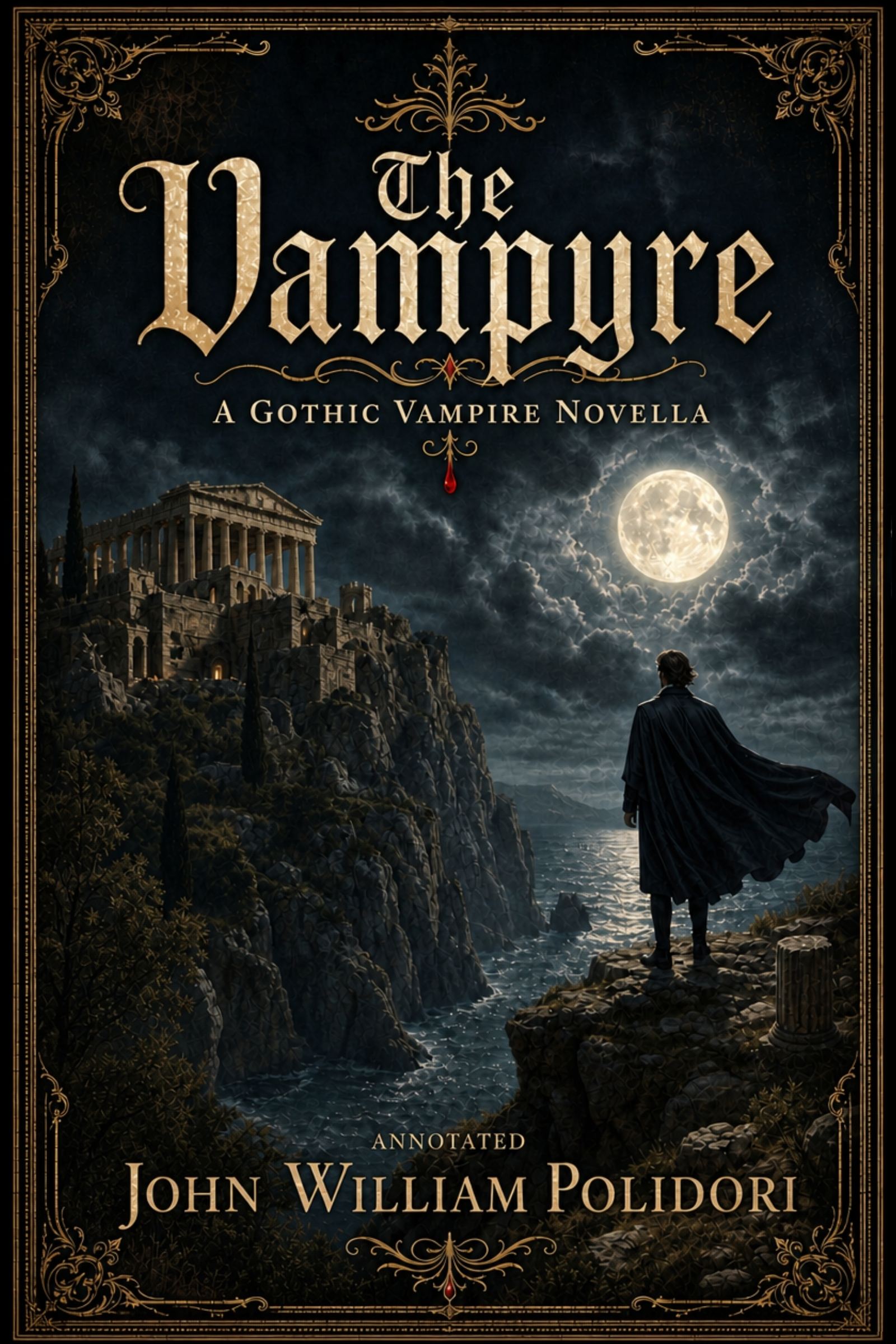
The Vampire Library brings together the foundational texts of vampire fiction alongside the essential history of the genre — from Polidori's 1819 aristocratic predator through Le Fanu's sapphic Gothic masterpiece, and the popular history tracing the creature from ancient world folklore through two centuries of art, literature, and cinema.
Vampire Library