About the Book
The early plays that shaped a modernist master
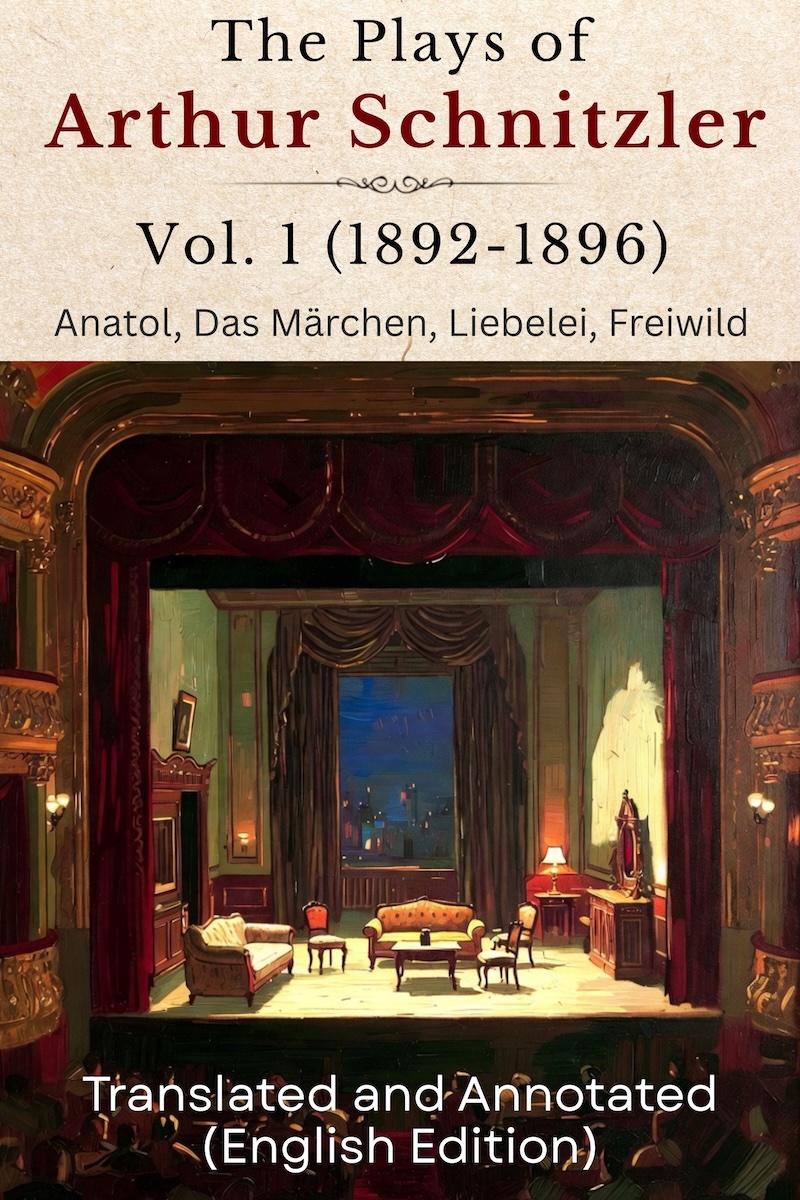
Set against the backdrop of fin-de-siècle Vienna, these four plays interweave themes of art, love, and identity, with Schnitzler's unique psychological insight portraying a society on the brink of transformation. Together they trace the emergence of one of European modernism's most psychologically penetrating dramatists — from the witty, melancholic episodes of Anatol to the pointed social critique of Freiwild.
Schnitzler is perhaps best known to Western audiences as the author of Traumnovelle (Dream Story), the 1926 novella that served as the inspiration for Stanley Kubrick's final film, Eyes Wide Shut. The plays in this volume predate Traumnovelle by three decades, revealing the younger Schnitzler finding his voice in imperial Vienna — already possessed of the psychological precision and moral fearlessness that would define his career.
This is a serious edition for readers, students, and scholars who want to engage with Schnitzler's early dramatic work fully and in depth, with each play receiving its own scholarly apparatus of introduction, critical analysis, and act-by-act annotation.
"These four early plays reveal the younger Schnitzler finding his voice — already morally fearless and psychologically exact."
Ovid Publishing Group Edition
The Four Plays
What's in this volume
I
Anatol (1892)
Seven episodes in the life of a charming, self-deceiving young Viennese — a portrait of romantic narcissism that remains as recognisable today as in 1892.
II
Das Märchen (1893)
A young writer confronts society's double standards about women — Schnitzler's earliest and most direct treatment of sexual hypocrisy in Viennese bourgeois life.
III
Liebelei (1895)
A love affair with fatal consequences in imperial Vienna — the play that established Schnitzler as the essential voice of Viennese theatre.
IV
Freiwild (1896)
Honour, cowardice, and the culture of the duel — a searing critique of military culture and masculine posturing in Habsburg society.
Each Play Features
✦New English translation from the original German
✦Introduction with literary and historical context
✦Critical analysis of themes and dramatic structure
✦Act-by-act notes on cultural references
✦Discussion of each play's place in Schnitzler's development
✦Full author biography
About the Author
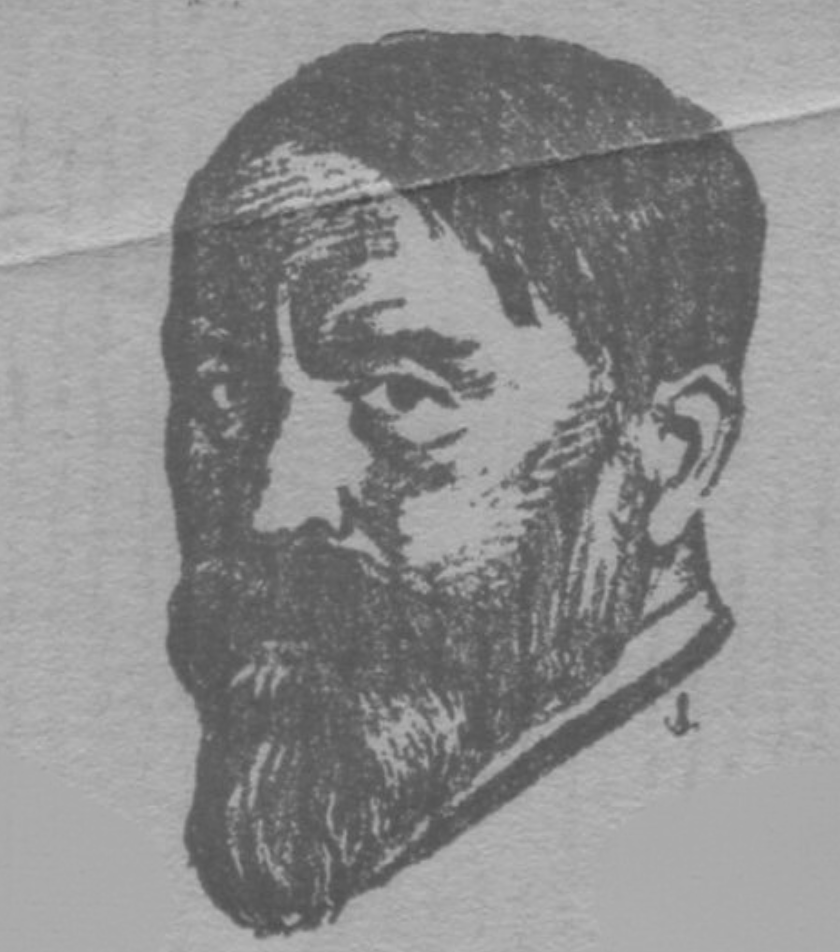
Arthur Schnitzler
Arthur Schnitzler
Arthur Schnitzler
1862 – 1931
Arthur Schnitzler was an Austrian author and dramatist and one of the most prominent figures of the Vienna Modernism movement. Born in Vienna to a distinguished Jewish family, Schnitzler trained as a physician — a background that profoundly shaped his literary preoccupations with the inner life, desire, and moral complexity.
His theatrical career began in the early 1890s with the plays collected in this volume. By the turn of the century he was the defining voice of Viennese theatre — celebrated, censored, and endlessly controversial. His works were burned by the Nazis as "Jewish filth" in 1933, yet they endure as essential documents of European modernism and of the troubled world of Habsburg Vienna on the eve of its collapse.