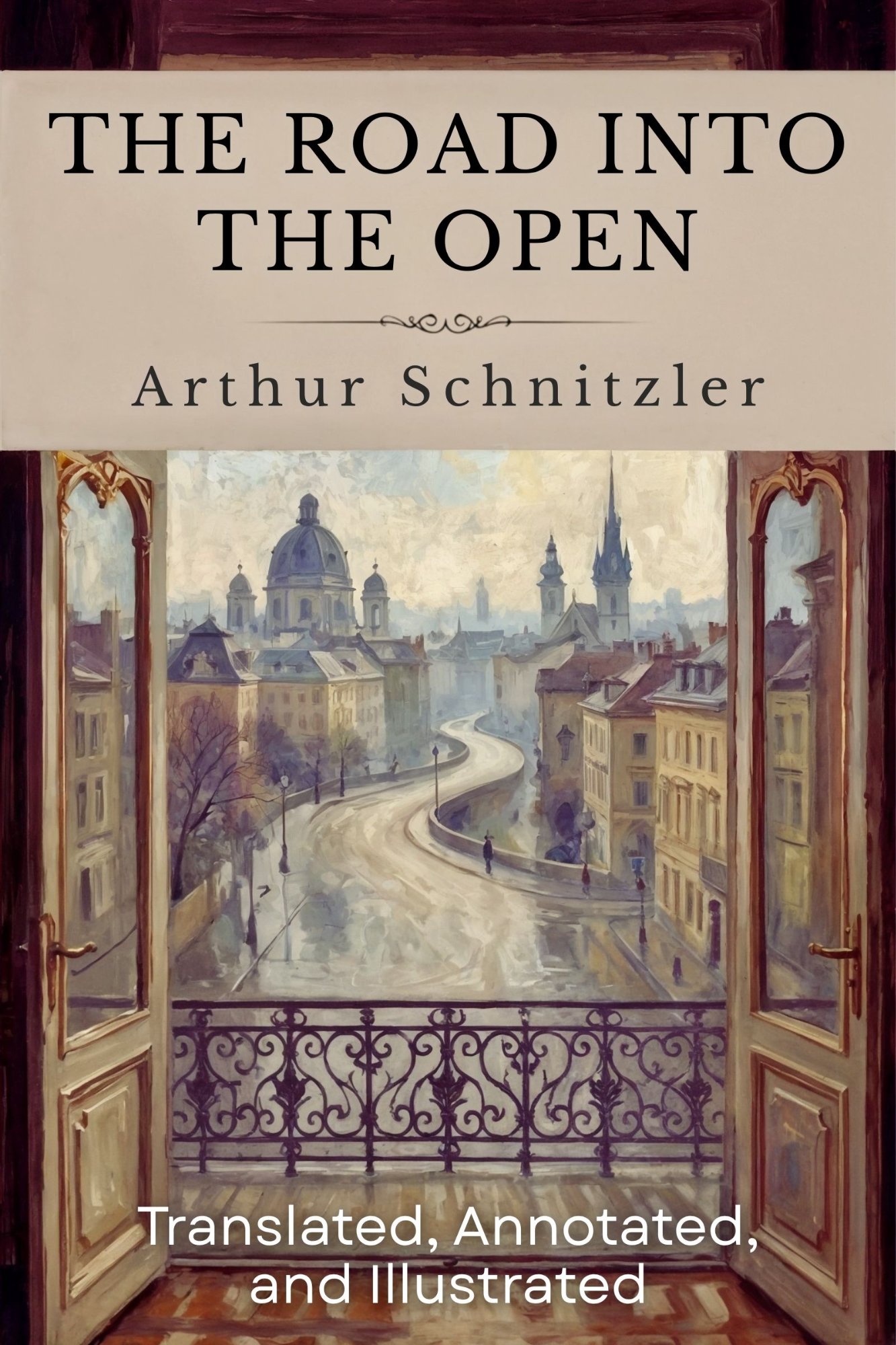
The Road Into The Open by Arthur Schnitzler

Schnitzler Collection · Viennese Modernism

The Road Into
The Open

by Arthur Schnitzler

Schnitzler's most explicitly Jewish novel — a sweeping portrait of art, love, and identity set against the glittering yet deeply troubled backdrop of fin-de-siècle Vienna.

Purchase this title — eBook · Paperback · Hardback
First PublishedVienna, 1908
Original TitleDer Weg ins Freie
EditorArthur C. Rauscher
FormatseBook · Print
The Road Into The Open· Arthur Schnitzler· Vienna 1908· Schnitzler's Most Jewish Novel· 14 Original Illustrations· Translated & Annotated by Arthur C. Rauscher· The Road Into The Open· Arthur Schnitzler· Vienna 1908· Schnitzler's Most Jewish Novel· 14 Original Illustrations· Translated & Annotated by Arthur C. Rauscher·

About the Book

A masterpiece of Viennese modernism

First published in 1908, The Road Into The Open (Der Weg ins Freie) is widely regarded as one of Arthur Schnitzler's crowning literary achievements — and his most explicitly Jewish work, providing his most comprehensive and direct exploration of what it meant to be Jewish in Austria at the turn of the century.

Set against the glittering yet deeply troubled backdrop of fin-de-siècle Vienna, this sweeping novel interweaves themes of art, love, identity, and the pervasive anxiety of Jewish life in an increasingly antisemitic Europe. With psychological precision and compassionate insight, Schnitzler portrays a society on the brink of transformation — and the men and women struggling to shape their own futures.

At its heart, the novel follows Georg von Wergenthin, a young aristocrat and aspiring composer, as he navigates a passionate but complicated love affair, his artistic ambitions, and the moral tensions of the world around him. Rich with vividly drawn characters, searching philosophical dialogue, and Schnitzler's trademark psychological depth, The Road Into the Open remains as urgent and resonant today as when it was first written.
"Schnitzler's most comprehensive exploration of Jewish identity in Habsburg Vienna — and one of modernism's great unread novels."

Ovid Publishing Group Edition

Ovid Publishing Group Edition

What this edition includes

14 original illustrations depicting key scenes, characters, and Habsburg Vienna
Scholarly introduction by the editor
Chapter endnotes with detailed annotation
Insight into Schnitzler's sources, allusions, and themes
Comprehensive author biography
Historical and cultural context for the modern reader

About the Author

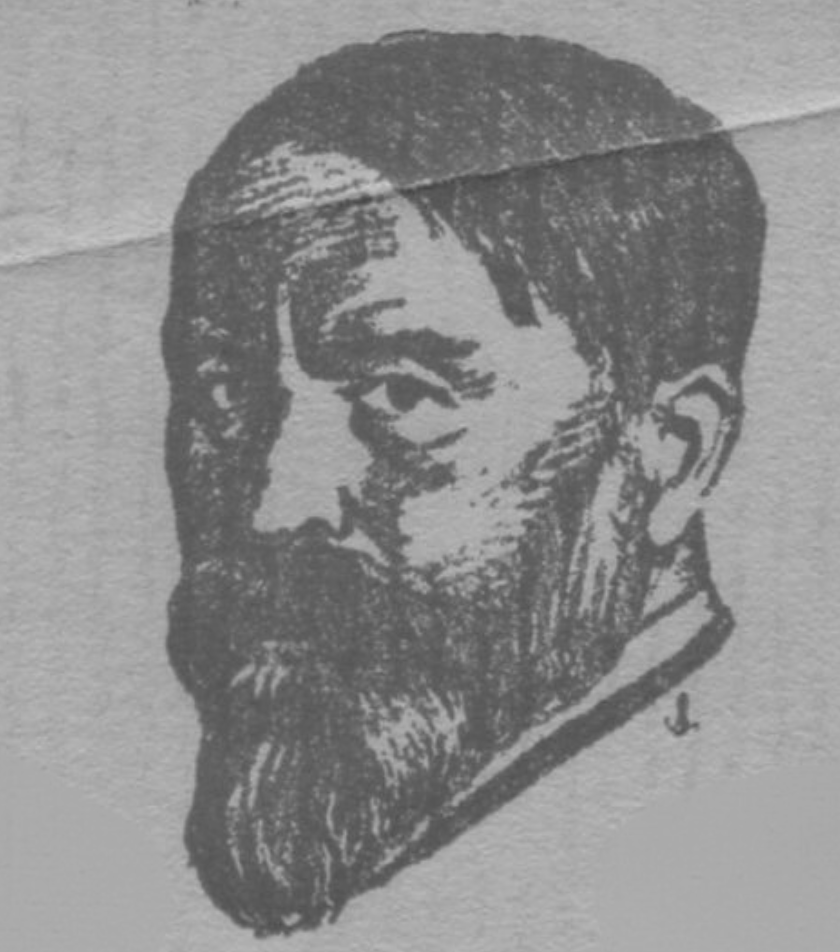
Arthur Schnitzler

Arthur Schnitzler

Arthur Schnitzler

Arthur Schnitzler

Arthur Schnitzler was an Austrian author and dramatist and one of the most prominent figures of the Vienna Modernism movement. Born in Vienna to a distinguished Jewish family, Schnitzler trained as a physician — a background that profoundly shaped his literary preoccupations with the inner life, desire, and moral complexity.

His works were consistently controversial for their time, offering frank depictions of sexuality, the unconscious, and the human psyche that challenged the rigid social norms of fin-de-siècle Austria. He pioneered the use of the interior monologue in German-language literature, influencing writers across Europe and earning the deep admiration of Sigmund Freud, who called him a "colleague" in psychological insight.

The Road Into the Open (1908) stands apart in his oeuvre as his fullest treatment of the Jewish experience in Habsburg Vienna — a subject he navigated with both personal intimacy and remarkable literary range.

Schnitzler Collection

More Arthur Schnitzler

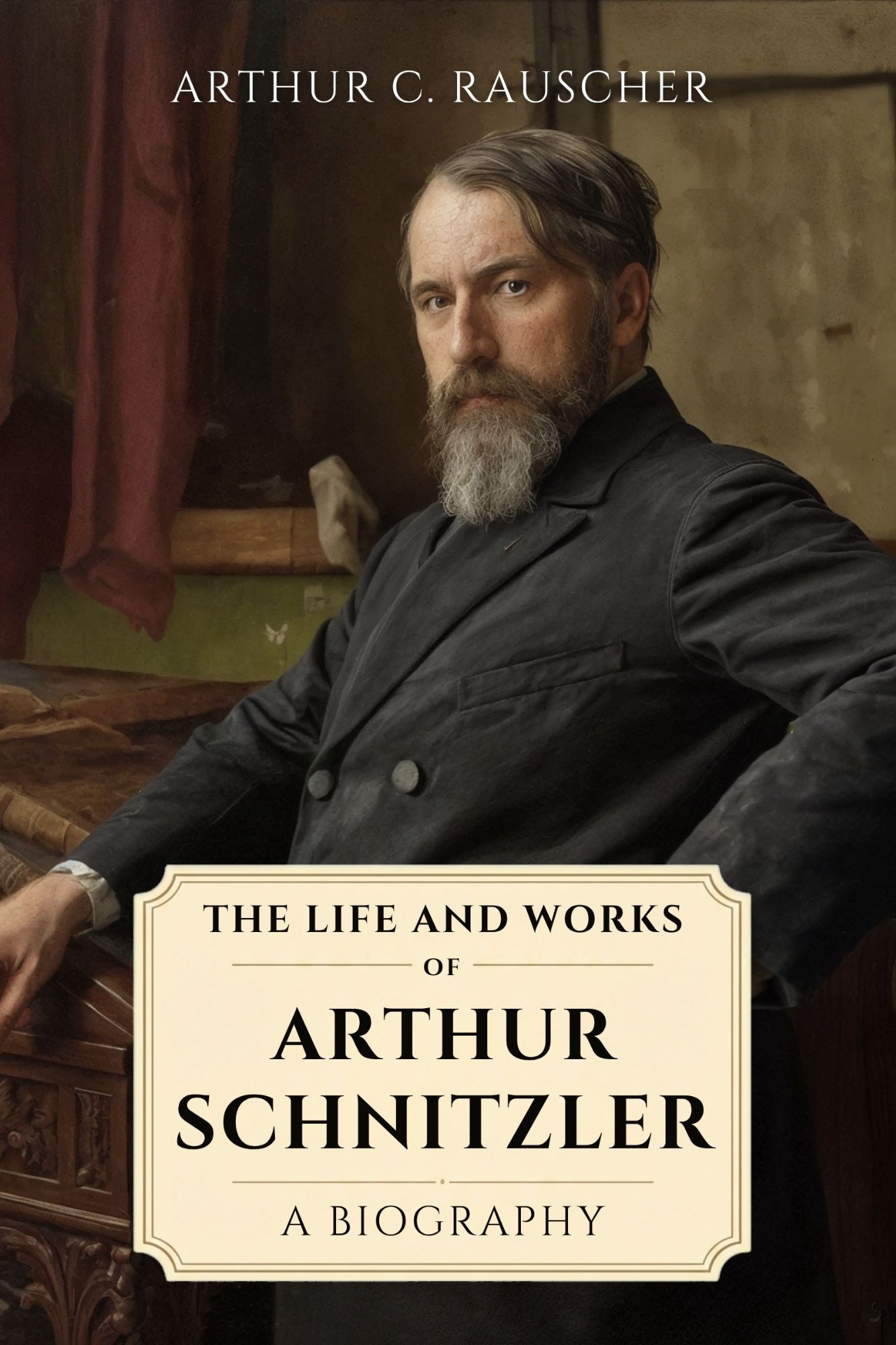
The Life and Works of Arthur Schnitzler
Arthur C. Rauscher
Learn More
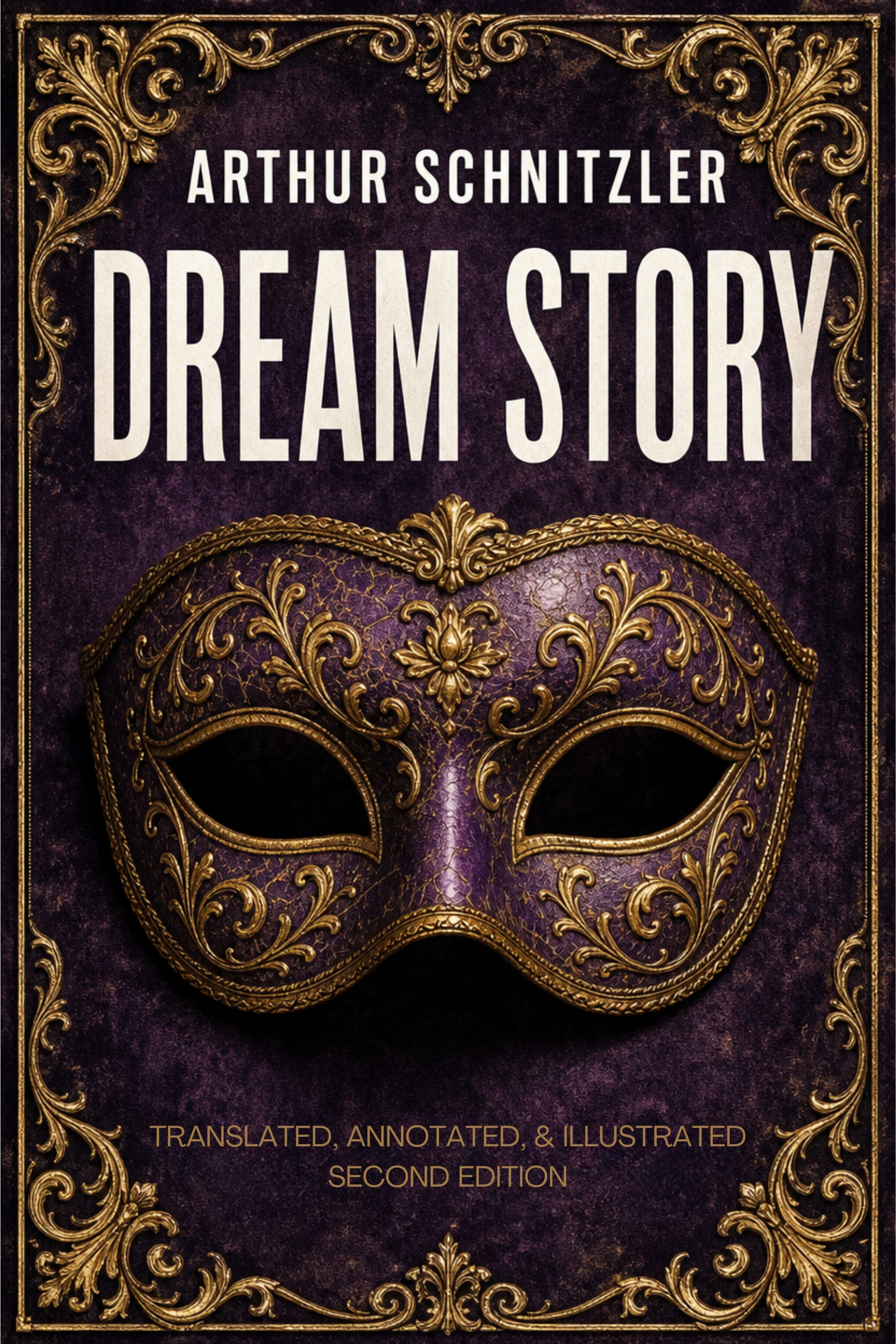
Dream Story
Dream Story
Arthur Schnitzler
Learn More
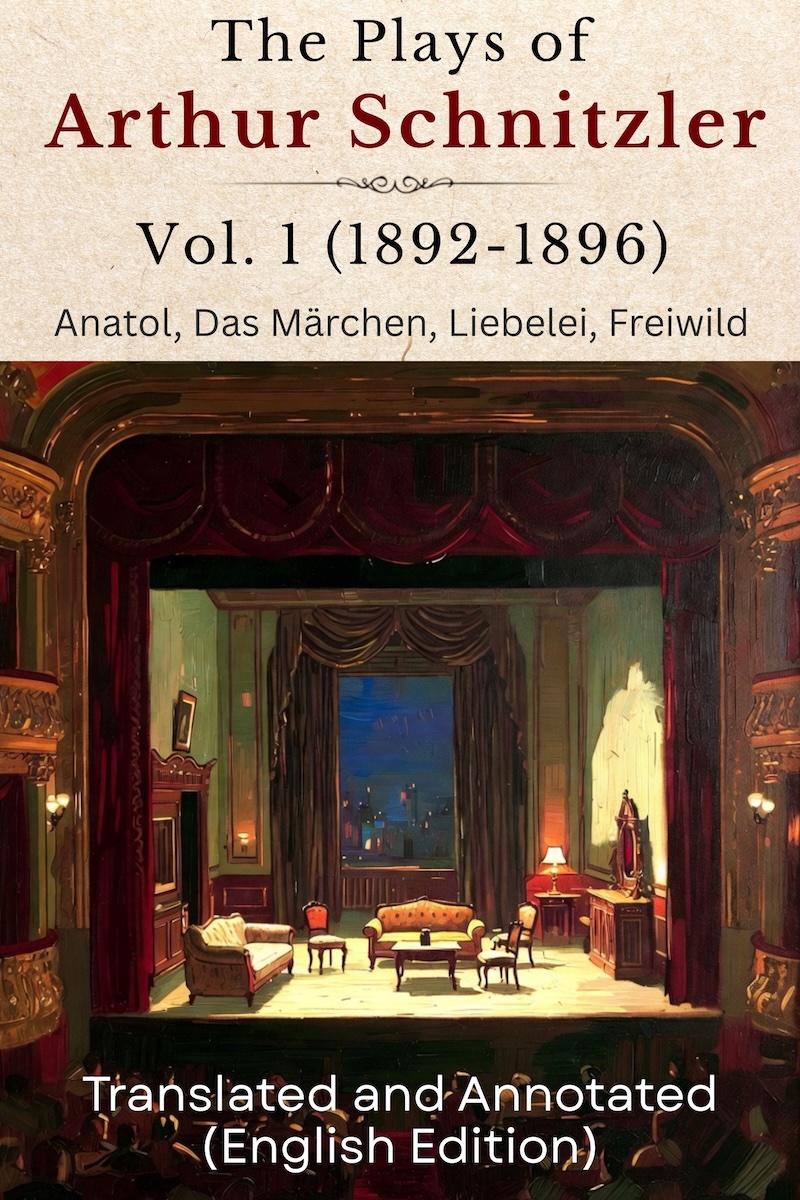
The Plays Vol. 1
The Plays Vol. 1 (1892–1896)
Arthur Schnitzler
Learn More
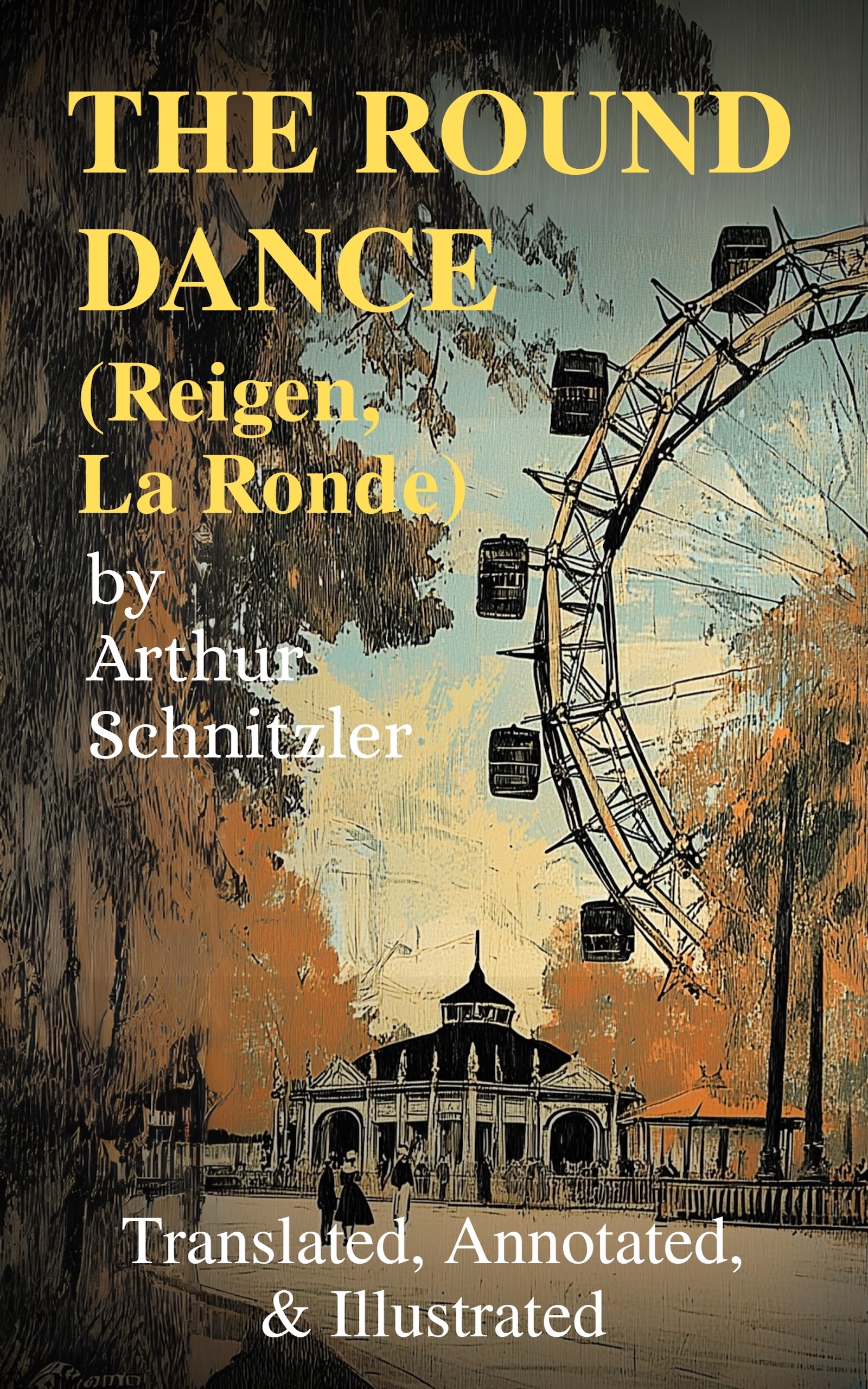
The Round Dance
The Round Dance
Arthur Schnitzler
Learn More
Fräulein Else
Fräulein Else
Arthur Schnitzler
Learn More
Lieutenant Gustl
Lieutenant Gustl
Arthur Schnitzler
Learn More